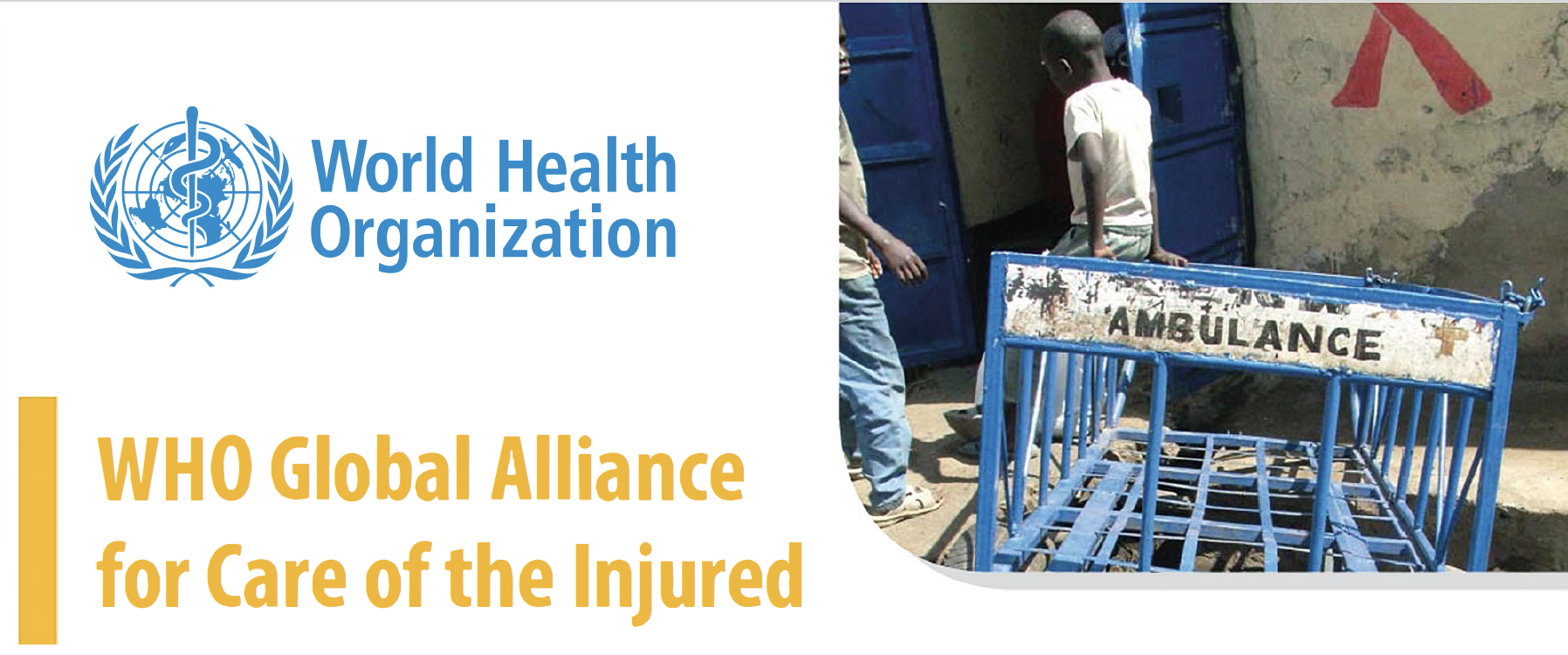
The Silent Epidemic: Unveiling the Global Challenge of Injury Prevention
An injury, at its core, represents a bodily lesion at the organic level, a disruption to the body's integrity resulting from acute exposure to energy. This energy can manifest in various forms—mechanical forces, extreme thermal conditions, electrical currents, chemical reactions, or radiant exposure—and interacts with our bodies in ways that exceed their natural tolerance. From minor cuts and bruises to life-altering fractures, internal bleeding, or organ failure, injuries affect living organisms globally, encompassing humans, animals, and even plants. While often perceived as isolated incidents, injuries collectively form a pervasive public health challenge, a silent epidemic silently claiming millions of lives and causing widespread disability worldwide.
The profound impact of injury is staggering. As of 2019, injuries were responsible for approximately 4.4 million deaths annually, accounting for nearly 8% of all global fatalities. This makes injury prevention an imperative global health priority. Unintentional injuries, often referred to as accidents, cause the vast majority of these deaths, claiming 3.16 million lives each year. Beyond the numbers, injuries represent a profound human tragedy, leading to long-term suffering, chronic pain, reduced mobility, and significant psychological trauma for tens of millions more who survive with disabilities. Recognizing and addressing this often-overlooked crisis requires a concerted global effort, leveraging strategic prevention methods and fostering international collaboration.
Understanding the Nature and Scope of Injury
To effectively combat injuries, we must first understand their diverse nature. Injuries are typically classified in two primary ways: by intent and by mechanism.
- By Intent:
- Unintentional Injuries: These are often termed "accidents" and include incidents like road traffic crashes, falls, drowning, burns, and poisoning. Despite the term "accident," many of these are predictable and, crucially, preventable.
- Intentional Injuries: This category encompasses acts of violence, such as assault, homicide, and self-harm. These injuries carry profound societal and psychological implications, requiring different prevention approaches rooted in social and mental health interventions.
- By Mechanism:
- Blunt Force Trauma: Caused by impact with a blunt object or surface, leading to contusions, lacerations, fractures, or internal organ damage.
- Penetrating Trauma: Occurs when an object pierces the skin and enters the body, such as from stabbings or gunshot wounds.
- Thermal Burns: Resulting from exposure to extreme heat, cold, chemicals, or radiation, damaging skin and underlying tissues.
- Other Mechanisms: Include drowning (asphyxiation from submersion), poisoning (toxic substance ingestion), and electrocution.
The consequences of injury extend far beyond the initial physical harm. They disrupt normal physiological processes, often necessitating extensive medical intervention, from immediate emergency care to complex surgical procedures and prolonged rehabilitation. The long-term effects can be debilitating, impacting an individual's quality of life, their ability to work, and their participation in society. For communities, a high burden of injuries strains healthcare systems, siphons economic resources, and can perpetuate cycles of poverty and disadvantage, particularly in vulnerable populations.
The Staggering Global Burden and Disproportionate Impact
The statistics paint a stark picture: injuries are the leading cause of death for individuals aged 5–29 years, highlighting a critical vulnerability among the youth and young adults who represent the future workforce and leadership of nations. This tragic loss of life and potential has immense societal and economic repercussions. For a deeper dive into this alarming trend, read more about Injuries: Leading Cause of Death for Youth & Global Burden.
Perhaps even more concerning is the stark inequity in the global burden of injury. Low- and middle-income countries (LMICs) disproportionately bear the brunt, accounting for a staggering 90% of all injury-related deaths and disabilities worldwide. This disparity is not accidental; it is a direct result of several intersecting factors:
- Rapid Urbanization and Development: Often without adequate infrastructure or safety regulations, leading to increased road traffic crashes and occupational hazards.
- Limited Resources: Insufficient investment in road safety, public health campaigns, and emergency medical services.
- Vulnerable Populations: Poverty, lack of education, and limited access to safe environments expose individuals to higher risks of falls, drowning, burns, and poisoning. Children and the elderly are particularly susceptible.
- Weak Governance and Enforcement: Inadequate policy frameworks and inconsistent enforcement of safety laws exacerbate injury risks.
Beyond fatalities, nonfatal injuries impose a massive burden of disability. Millions live with chronic pain, suffer from reduced mobility, and experience psychological trauma such as post-traumatic stress disorder (PTSD), anxiety, and depression. These conditions not only diminish individual well-being but also place immense strain on families and national healthcare systems, often without adequate support services to address the full spectrum of recovery needs.
Proactive Prevention: Global Strategies in Action
The good news is that most injuries are preventable. Effective prevention strategies focus on reducing exposure to hazardous energies and creating safer environments. These efforts typically fall into three interconnected categories:
1. Engineering Controls and Environmental Modifications
This approach involves designing out risks and building safety into our surroundings. Examples include:
- Safer Infrastructure: Designing safer roads with proper lighting, separate pedestrian walkways, bicycle lanes, and clear signage to prevent road traffic crashes. Implementing robust building codes to prevent structural collapses and improve fire safety.
- Product Safety: Mandating safety features in vehicles (e.g., airbags, anti-lock brakes), childproof packaging for hazardous substances, and safety guards on machinery in industrial settings.
- Home Safety: Installing smoke detectors, carbon monoxide alarms, grab bars in bathrooms, and secure gates around pools to prevent falls, burns, and drowning.
2. Education and Awareness Campaigns
Informing and empowering individuals to make safer choices is crucial. This includes:
- Public Health Campaigns: Raising awareness about the risks of drunk driving, distracted driving, or the importance of proper child car seat usage.
- Safety Education Programs: Teaching children about water safety, pedestrian rules, and stranger danger. Educating adults on first aid, CPR, and workplace safety protocols.
- Risk Recognition: Helping communities identify local injury hazards and understand how to mitigate them effectively.
3. Policy Interventions and Legislation
Governmental action plays a pivotal role in creating a culture of safety through laws and regulations. Proven effective policies include:
- Mandatory Seatbelt Laws and Helmet Mandates: Dramatically reducing fatalities and severe injuries in vehicle crashes and motorcycle/bicycle accidents.
- Drunk Driving Laws: Stricter enforcement and public awareness campaigns have significantly decreased alcohol-related traffic fatalities.
- Violence Prevention Programs: Addressing root causes of violence, promoting conflict resolution skills, and providing support for victims. This includes initiatives to control access to lethal weapons.
- Occupational Safety Regulations: Setting standards for workplace safety, including proper equipment, training, and hazard mitigation, to reduce work-related injuries.
The success of these strategies, particularly in high-income settings, demonstrates their immense potential. However, adapting and implementing these measures effectively in LMICs requires significant investment, tailored approaches, and sustained commitment.
Bridging Disparities and Moving Forward
Despite progress in some areas, disparities in injury prevention and care persist globally. Addressing these inequities requires a multi-pronged approach:
- Improved Surveillance: Robust data collection on injury incidence, mechanisms, and outcomes is essential for understanding the problem, identifying high-risk groups, and evaluating the effectiveness of interventions.
- Equitable Access to Care: Ensuring that all individuals, regardless of their socioeconomic status or geographic location, have timely access to quality emergency medical services, surgical care, and rehabilitation.
- Global Collaboration: International partnerships are crucial for sharing best practices, pooling resources, and developing context-specific solutions for injury prevention in diverse settings. Organizations like the CDC's Injury Center, which has protected the public for over 30 years, play a vital role in research, policy development, and public health initiatives.
- Intersectoral Action: Injury prevention is not solely a health issue. It requires collaboration across sectors including transportation, urban planning, education, law enforcement, and social welfare to create comprehensive solutions.
Conclusion
Injuries are far more than isolated unfortunate events; they are a preventable global health crisis exacting a devastating toll on lives, livelihoods, and economies. By understanding the diverse nature of injury, acknowledging its disproportionate impact on vulnerable populations, and actively implementing proven prevention strategies—from engineering safer environments to educating communities and enacting protective policies—we can significantly reduce this silent epidemic. The journey ahead demands sustained political will, equitable resource allocation, and collaborative action. Only through such unified efforts can we move closer to a world where fewer lives are tragically cut short, and fewer individuals suffer the lasting consequences of preventable injuries.